
For couples trying to conceive, understanding ovulation and the fertile window is one of the most important steps toward achieving a healthy pregnancy. Knowing when ovulation occurs can increase the chances of conception and also help women better understand their reproductive health.
Since every woman’s menstrual cycle is unique, learning how to identify the fertile window can make family planning more effective. With proper guidance from a gynecologist, women can better monitor their ovulation and improve their chances of pregnancy.
What Is Ovulation?
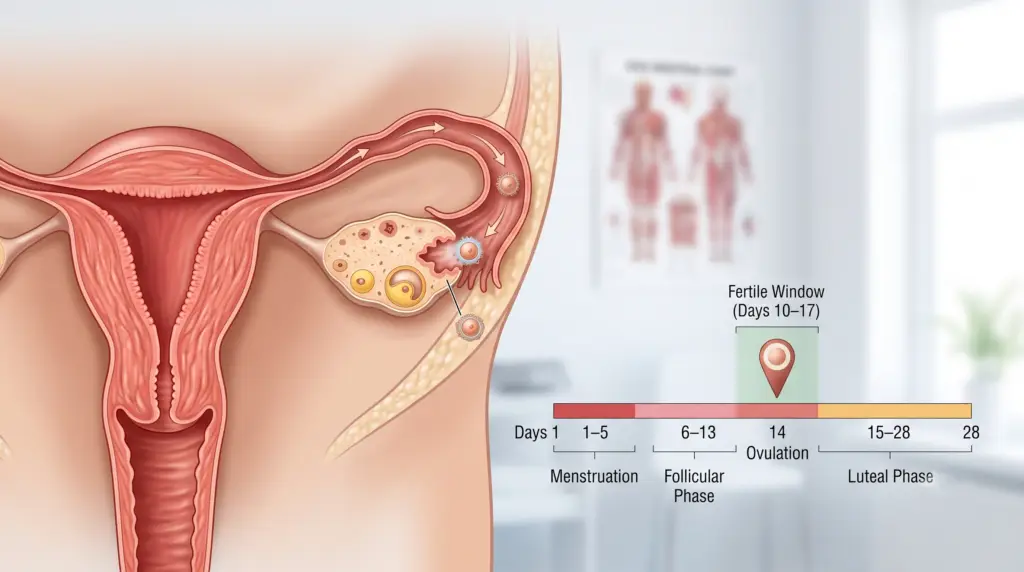
Ovulation is the process in which a mature egg is released from one of the ovaries. Once released, the egg travels through the fallopian tube, where it may be fertilized by a sperm.
If fertilization does not occur, the egg dissolves, and the menstrual cycle continues until the next period.
Ovulation usually occurs once during each menstrual cycle.
What Is the Fertile Window?
The fertile window refers to the days during a menstrual cycle when pregnancy is most likely to occur.
Generally, the fertile window includes:
• The five days before ovulation
• The day of ovulation
• Sometimes the day after ovulation
This is because sperm can survive inside the female reproductive tract for up to five days, while the egg remains viable for about 12 to 24 hours after ovulation.
Timing intercourse during this period can significantly improve the chances of conception.
When Does Ovulation Usually Occur?
In women with a regular 28-day menstrual cycle, ovulation often occurs around Day 14, counting from the first day of the menstrual period.
However, cycle lengths vary from woman to woman. Women with shorter or longer cycles may ovulate earlier or later.
Therefore, tracking your individual cycle provides a more accurate estimate than relying on calendar dates alone.
Common Signs of Ovulation
Many women experience physical changes around the time of ovulation.
Common signs include:
• Clear, stretchy cervical mucus resembling egg whites
• Mild pain or discomfort on one side of the lower abdomen (Mittelschmerz)
• Increased sexual desire
• Slight rise in basal body temperature after ovulation
• Breast tenderness
• Increased sense of smell in some women
Not every woman experiences these symptoms, and their intensity may vary.
How Can You Track Ovulation?
Several methods can help identify the fertile window.
These include:
• Tracking menstrual cycles using a calendar
• Monitoring changes in cervical mucus
• Measuring basal body temperature daily
• Using ovulation predictor kits (OPKs)
• Fertility tracking mobile applications
• Ultrasound follicular monitoring when advised by your doctor
Combining multiple methods often provides the most accurate results.
Factors That Can Affect Ovulation
Ovulation may not occur regularly in every menstrual cycle.
Several factors can interfere with normal ovulation, including:
• Polycystic Ovary Syndrome (PCOS)
• Thyroid disorders
• Excessive physical exercise
• High stress levels
• Significant weight gain or weight loss
• Certain medications
• Hormonal imbalances
If ovulation becomes irregular, medical evaluation is recommended.
Tips to Improve Fertility Naturally
Healthy lifestyle habits support reproductive health and may improve fertility.
Helpful tips include:
• Maintain a healthy body weight
• Eat a balanced and nutritious diet
• Exercise regularly in moderation
• Get adequate sleep every night
• Manage stress effectively
• Avoid smoking and alcohol
• Limit excessive caffeine intake
These habits benefit both overall health and fertility.
When Should You See a Gynecologist?
If pregnancy does not occur despite regular, unprotected intercourse during the fertile window, it may be time to seek medical advice.
Consult a gynecologist if:
• You have irregular or absent periods
• You have been trying to conceive for one year without success (or six months if you are over 35 years of age)
• You have severe menstrual pain
• You have been diagnosed with PCOS or thyroid disease
• You have experienced repeated pregnancy loss
Early evaluation can identify underlying causes and improve treatment outcomes.
How Fertility Evaluation Can Help
If conception is delayed, your doctor may recommend fertility evaluation for both partners.
This may include:
• Hormone testing
• Ovulation assessment
• Pelvic ultrasound
• Fallopian tube evaluation
• Semen analysis for the male partner
A timely diagnosis allows for appropriate treatment and increases the likelihood of a successful pregnancy.
Understanding Your Cycle Empowers You
Knowing when you ovulate gives you valuable insight into your reproductive health. Whether you are planning a pregnancy or simply learning more about your body, understanding your fertile window helps you make informed decisions.
With regular monitoring and expert medical guidance, many couples successfully achieve their family planning goals.
Expert Fertility Care in Bhubaneswar
Looking for expert guidance on ovulation tracking, fertility evaluation, or pregnancy planning?
📍 Dr. Anamika Gynecology Clinic
Clinic 1:
Ankura Hospital near Sisubhavan Bus Stop,
Bapuji Nagar,
Bhubaneswar, Odisha – 751009
Clinic 2:
Multispeciality Clinic, 82,
University Agriculture Farm Road,
Siripur, Soubhagya Nagar,
Baramunda, Bhubaneswar, Odisha – 751003
📞 Phone:
+91 9556649424
📧 Email:
contact@dranamikagynic.com
Book Your Fertility Consultation Today
Whether you are planning your first pregnancy or have concerns about ovulation, expert guidance can make a significant difference. Early evaluation, accurate ovulation tracking, and personalized fertility care can help you move confidently toward your parenthood journey.
Book your consultation today with Dr. Anamika for comprehensive fertility assessment and compassionate reproductive healthcare.