Pregnancy is a beautiful journey, but it also requires close attention to the health of both the mother and the baby. Among the various conditions that may develop during pregnancy, Pregnancy-Induced Hypertension (PIH) is one of the most common and potentially serious complications.
Fortunately, with early diagnosis, proper medical care, and regular monitoring, most women with PIH can have a healthy pregnancy and deliver safely. Understanding the symptoms, risk factors, and treatment options is the first step toward protecting both mother and baby.
What Is Pregnancy-Induced Hypertension (PIH)?
Pregnancy-Induced Hypertension (PIH), also known as gestational hypertension, refers to high blood pressure that develops after the 20th week of pregnancy in women who previously had normal blood pressure.
In many cases, the condition resolves after childbirth. However, if left untreated, it can progress to more serious complications such as preeclampsia, which may affect both maternal and fetal health.
Early prenatal care plays a vital role in detecting PIH before complications develop.
What Causes Pregnancy-Induced Hypertension?
The exact cause of PIH is not completely understood. However, several factors may increase the risk.
Common risk factors include:
• First pregnancy
• Multiple pregnancy (twins or triplets)
• Maternal age below 20 or above 35 years
• Obesity
• Family history of hypertension during pregnancy
• Previous history of PIH or preeclampsia
• Diabetes or kidney disease
• High blood pressure before pregnancy
Although these factors increase the likelihood of PIH, the condition can also occur in women without any known risk factors.
Symptoms of Pregnancy-Induced Hypertension
Some women may not notice any symptoms during the early stages. Therefore, regular antenatal check-ups are essential.
Common symptoms include:
• High blood pressure readings
• Persistent headaches
• Swelling of the hands, face, or feet
• Blurred vision or sensitivity to light
• Dizziness
• Sudden weight gain due to fluid retention
• Upper abdominal pain, especially on the right side
• Nausea or vomiting in severe cases
If any of these symptoms develop, immediate medical evaluation is recommended.
Why Is PIH Dangerous?
When blood pressure remains uncontrolled, it can reduce blood flow to the placenta, affecting the baby’s growth and overall pregnancy outcome.
Possible complications include:
• Preeclampsia
• Premature birth
• Low birth weight
• Placental abruption
• Reduced oxygen and nutrient supply to the baby
• Seizures (eclampsia) in severe cases
• Increased risk of maternal complications
Timely diagnosis significantly lowers these risks.
How Is Pregnancy-Induced Hypertension Diagnosed?
Doctors diagnose PIH through regular prenatal examinations and additional investigations when needed.
These may include:
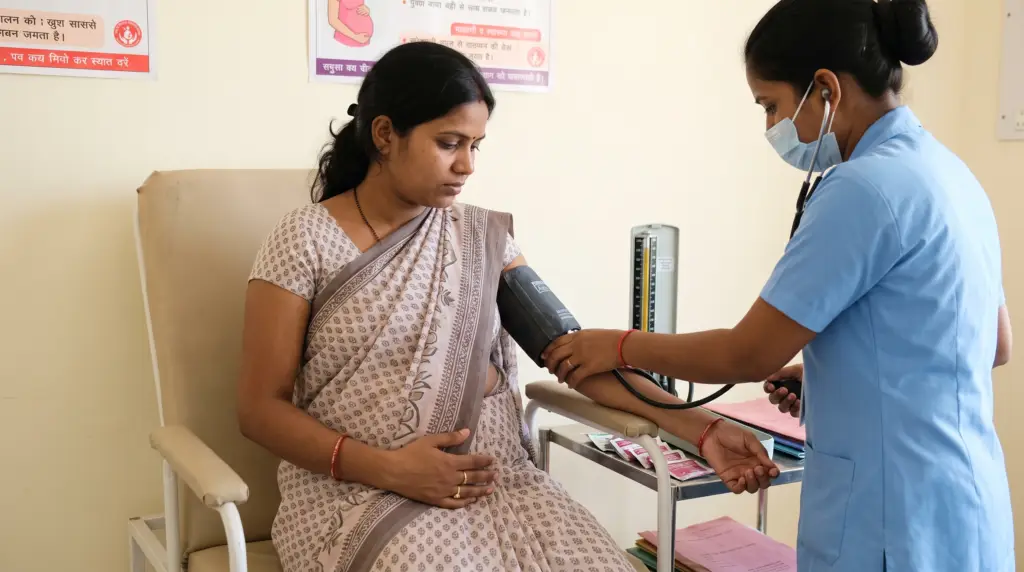
• Blood pressure monitoring
• Urine tests to detect protein
• Blood tests to evaluate liver and kidney function
• Ultrasound to assess fetal growth
• Fetal heart rate monitoring
Routine antenatal visits allow healthcare providers to detect changes early and begin appropriate treatment.
Treatment for Pregnancy-Induced Hypertension
The treatment plan depends on the severity of high blood pressure, the stage of pregnancy, and the health of both mother and baby.
Treatment may include:
• Regular blood pressure monitoring
• Safe antihypertensive medications prescribed during pregnancy
• Frequent prenatal check-ups
• Monitoring fetal growth and well-being
• Lifestyle and dietary modifications
• Adequate rest when advised by the doctor
In severe cases, hospitalization may be required for closer monitoring and specialized care.
Lifestyle Tips to Help Manage PIH
Along with medical treatment, healthy lifestyle habits can help manage blood pressure during pregnancy.
Helpful measures include:
• Attend all scheduled prenatal appointments
• Follow a balanced, nutritious diet
• Stay well hydrated
• Avoid smoking and alcohol
• Take prescribed medications regularly
• Engage in safe physical activity as recommended by your doctor
• Get sufficient rest and manage stress
Always consult your obstetrician before making any dietary or lifestyle changes during pregnancy.
Can Pregnancy-Induced Hypertension Be Prevented?
Although PIH cannot always be prevented, certain healthy habits may reduce the risk.
Preventive measures include:
• Early registration for antenatal care
• Maintaining a healthy weight before pregnancy
• Managing diabetes or chronic hypertension properly
• Eating a balanced diet rich in fruits and vegetables
• Staying physically active under medical guidance
• Monitoring blood pressure regularly
Regular medical supervision remains the best way to detect and manage PIH early.
When Should You Contact Your Doctor Immediately?
Seek immediate medical attention if you experience:
• Severe headache that does not improve
• Sudden swelling of the face or hands
• Blurred vision or loss of vision
• Severe upper abdominal pain
• Reduced fetal movements
• Difficulty breathing
• Blood pressure readings higher than advised by your doctor
Prompt treatment can help prevent serious complications for both mother and baby.
Healthy Pregnancy Begins with Early Care
Pregnancy-Induced Hypertension can be managed successfully when detected early. Regular prenatal visits, timely treatment, and close monitoring help ensure a safer pregnancy and healthier outcomes for both mother and baby.
If you notice symptoms of high blood pressure during pregnancy or have concerns about your pregnancy, consult an experienced gynecologist without delay.
Expert Pregnancy Care in Bhubaneswar
Looking for expert care for pregnancy, high-risk pregnancies, or Pregnancy-Induced Hypertension?
📍 Dr. Anamika Gynecology Clinic
Clinic 1:
Ankura Hospital near Sisubhavan Bus Stop,
Bapuji Nagar,
Bhubaneswar, Odisha – 751009
Clinic 2:
Multispeciality Clinic, 82,
University Agriculture Farm Road,
Siripur, Soubhagya Nagar,
Baramunda, Bhubaneswar, Odisha – 751003
📞 Phone:
+91 9556649424
📧 Email:
contact@dranamikagynic.com
Book Your Pregnancy Consultation Today
Every pregnancy deserves expert attention and compassionate care. Regular monitoring, early diagnosis, and personalized treatment can help protect both mother and baby throughout pregnancy.
Book your consultation today with Dr. Anamika for comprehensive pregnancy care and guidance toward a healthy and safe motherhood.