
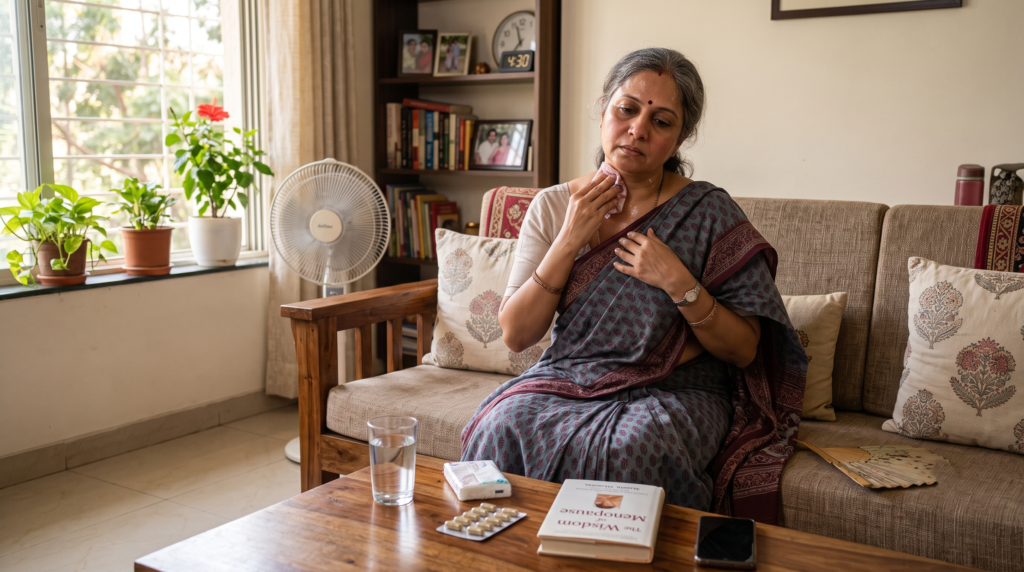
Menopause is a natural stage in every woman’s life that marks the end of her reproductive years. Although it is a normal biological process, the hormonal changes associated with menopause can bring physical, emotional, and psychological symptoms that affect daily life.
Fortunately, with proper medical guidance, healthy lifestyle choices, and appropriate treatment, women can manage menopausal symptoms effectively and maintain a good quality of life. Understanding menopause and its stages can help women prepare for this important life transition with confidence.
What Is Menopause?
Menopause is officially diagnosed when a woman has not had a menstrual period for 12 consecutive months without any other medical cause.
It usually occurs between the ages of 45 and 55 years, although some women may experience menopause earlier or later.
Menopause occurs because the ovaries gradually produce lower levels of the hormones estrogen and progesterone, leading to the end of ovulation and menstrual cycles.
The Three Stages of Menopause
Menopause is a gradual process that occurs in three stages.
1. Perimenopause
Perimenopause is the transitional period before menopause. During this stage, hormone levels begin to fluctuate, and menstrual cycles may become irregular.
Women may experience symptoms such as:
• Irregular periods
• Hot flashes
• Night sweats
• Mood changes
• Sleep disturbances
This stage may last for several months or even a few years.
2. Menopause
Menopause is reached when a woman has gone 12 consecutive months without a menstrual period.
At this stage:
• Ovulation stops
• Menstrual periods permanently end
• Estrogen production significantly decreases
Many menopausal symptoms may continue during this phase.
3. Postmenopause
Postmenopause begins after menopause and continues for the rest of a woman’s life.
Although symptoms like hot flashes may gradually improve, lower estrogen levels can increase the risk of certain health conditions, including osteoporosis and heart disease.
Regular health check-ups remain important during this stage.
Common Symptoms of Menopause
Every woman experiences menopause differently. Some have only mild symptoms, while others may notice more significant changes.
Common symptoms include:
• Irregular menstrual periods
• Hot flashes
• Night sweats
• Vaginal dryness
• Mood swings
• Irritability
• Difficulty sleeping
• Reduced sexual desire
• Weight gain
• Joint and muscle aches
• Difficulty concentrating or memory changes
The severity and duration of symptoms vary from person to person.
Why Do Menopausal Symptoms Occur?
The symptoms of menopause mainly result from declining estrogen levels.
Lower estrogen affects multiple body systems, including:
• Brain temperature regulation
• Bone health
• Heart and blood vessels
• Skin elasticity
• Vaginal tissues
• Urinary tract health
These hormonal changes explain why menopause can affect both physical and emotional well-being.
Effective Ways to Manage Menopause
Although menopause cannot be prevented, its symptoms can often be managed successfully.
Treatment options may include:
• Hormone Replacement Therapy (HRT), when appropriate
• Non-hormonal medications for symptom relief
• Vaginal moisturizers or lubricants for vaginal dryness
• Calcium and Vitamin D supplementation when advised
• Medications for bone health if needed
Your gynecologist will recommend the most suitable treatment based on your symptoms, medical history, and overall health.
Lifestyle Changes That Can Help
Healthy daily habits play a major role in reducing menopausal symptoms.
Helpful lifestyle measures include:
• Eat a balanced and nutritious diet
• Exercise regularly, including strength training
• Maintain a healthy body weight
• Get adequate sleep every night
• Practice stress management techniques such as yoga or meditation
• Avoid smoking and excessive alcohol consumption
• Limit spicy foods, caffeine, and very hot beverages if they trigger hot flashes
These lifestyle changes also support long-term heart and bone health.
Protecting Bone and Heart Health
After menopause, women become more vulnerable to osteoporosis and cardiovascular disease because of reduced estrogen levels.
To help protect your health:
• Consume calcium-rich foods
• Ensure adequate Vitamin D intake
• Perform regular weight-bearing exercises
• Monitor blood pressure, blood sugar, and cholesterol levels
• Attend routine health screenings
Preventive care is essential for healthy aging.
When Should You Consult a Gynecologist?
Although menopause is natural, certain symptoms require medical evaluation.
Consult your gynecologist if you experience:
• Very heavy or prolonged bleeding
• Bleeding after menopause
• Severe hot flashes affecting daily life
• Persistent sleep disturbances
• Severe mood changes or depression
• Pain during intercourse
• Frequent urinary infections
Early medical advice can help identify underlying conditions and provide effective symptom relief.
Menopause Is a New Beginning
Menopause marks a new phase of life, not the end of good health. With regular medical care, healthy habits, and the right treatment, women can remain active, confident, and healthy for many years after menopause.
Understanding the changes taking place in your body allows you to make informed decisions and embrace this transition with greater confidence.
Expert Menopause Care in Bhubaneswar
Looking for expert guidance on menopause, hormonal changes, or healthy aging?
📍 Dr. Anamika Gynecology Clinic
Clinic 1:
Ankura Hospital near Sisubhavan Bus Stop,
Bapuji Nagar,
Bhubaneswar, Odisha – 751009
Clinic 2:
Multispeciality Clinic, 82,
University Agriculture Farm Road,
Siripur, Soubhagya Nagar,
Baramunda, Bhubaneswar, Odisha – 751003
📞 Phone:
+91 9556649424
📧 Email:
contact@dranamikagynic.com
Book Your Menopause Consultation Today
Menopause is a natural transition, but you don’t have to manage its symptoms alone. With expert medical guidance, personalized treatment, and compassionate care, you can navigate menopause comfortably and continue enjoying a healthy, active life.
Book your consultation today with Dr. Anamika for comprehensive menopause care and personalized women’s health support.